Choosing the right rack for your IT infrastructure is a pivotal decision that can significantly impact your operations. In this ultimate guide, we will delve into the differences between open and enclosed floor standing racks, helping you understand their unique features, benefits, and ideal applications. Whether you are setting up a small office or managing a large data center, this guide will equip you with the knowledge needed to make an informed choice.
Floor standing racks are essential components in any IT environment, providing a structured way to store and manage servers, networking equipment, and other hardware. They come in two primary types: open racks and enclosed racks. Each type has its own set of advantages that cater to different needs and preferences.
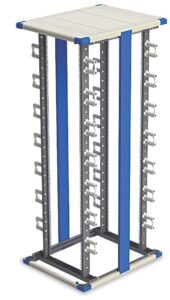
Open racks are designed without doors or side panels, allowing for easy access to equipment. Here are some key characteristics and benefits:
Open racks provide quick and hassle-free access to servers and networking devices. This is particularly beneficial for IT personnel who need to perform regular maintenance and upgrades, minimizing downtime and enhancing efficiency.
One of the standout features of open racks is their ability to promote excellent airflow. With no barriers obstructing air circulation, equipment remains cool, which is vital for preventing overheating and ensuring optimal performance.
Open racks are generally more budget-friendly than their enclosed counterparts. Their simpler design often leads to lower manufacturing costs and easier installation, making them an attractive option for cost-conscious organizations.
Enclosed racks, equipped with doors and side panels, offer a more secure environment for your valuable IT equipment. Here are the main benefits:
Enclosed racks provide enhanced security, protecting sensitive equipment from unauthorized access. This feature is crucial for businesses that handle confidential data and must adhere to strict compliance regulations.
These racks shield equipment from dust and other environmental contaminants, making them ideal for settings where cleanliness is paramount. This protection helps maintain the longevity and reliability of your hardware.
Enclosed racks also help reduce noise levels generated by servers and other equipment, creating a more pleasant working environment, especially in office settings where noise can be distracting.
| Feature | Open Racks | Enclosed Racks |
|---|---|---|
| Accessibility | Easy access for maintenance | Access requires opening doors |
| Airflow | Excellent airflow and cooling | Limited airflow; may need additional cooling |
| Cost | More affordable | Generally higher cost |
| Security | Lower security | Enhanced security features |
| Environmental Protection | Minimal dust protection | Offers dust and contaminant protection |
| Noise Reduction | Higher noise levels | Reduced noise levels |
In conclusion, selecting the right floor standing rack—open or enclosed—depends on your specific requirements and operational environment. Open racks are ideal for those prioritizing accessibility and cost-effectiveness, while enclosed racks are better suited for organizations needing enhanced security and environmental protection. By understanding the key differences outlined in this guide, you can make a well-informed decision that aligns with your IT infrastructure needs.
Your UK Source for 19-Inch Racks & Accessories
